Professional Roof Repair for Storm Damage
Key Indicators Your Roof Requires Repair: Professional Roof Services for Home Owners
Homeowners often overlook telltale indicators that point to the need for roof repair. Missing go to article shingles, discoloration, and moisture accumulation can serve as indicators of underlying issues. If left unaddressed, these issues can worsen, undermining the safety and stability of the home. Recognizing these indicators is essential for preserving both safety and property value. That said, determining the right time to call a professional can be difficult. What factors should homeowners consider before making that decision?
Common Signs Your Roof Needs Repair
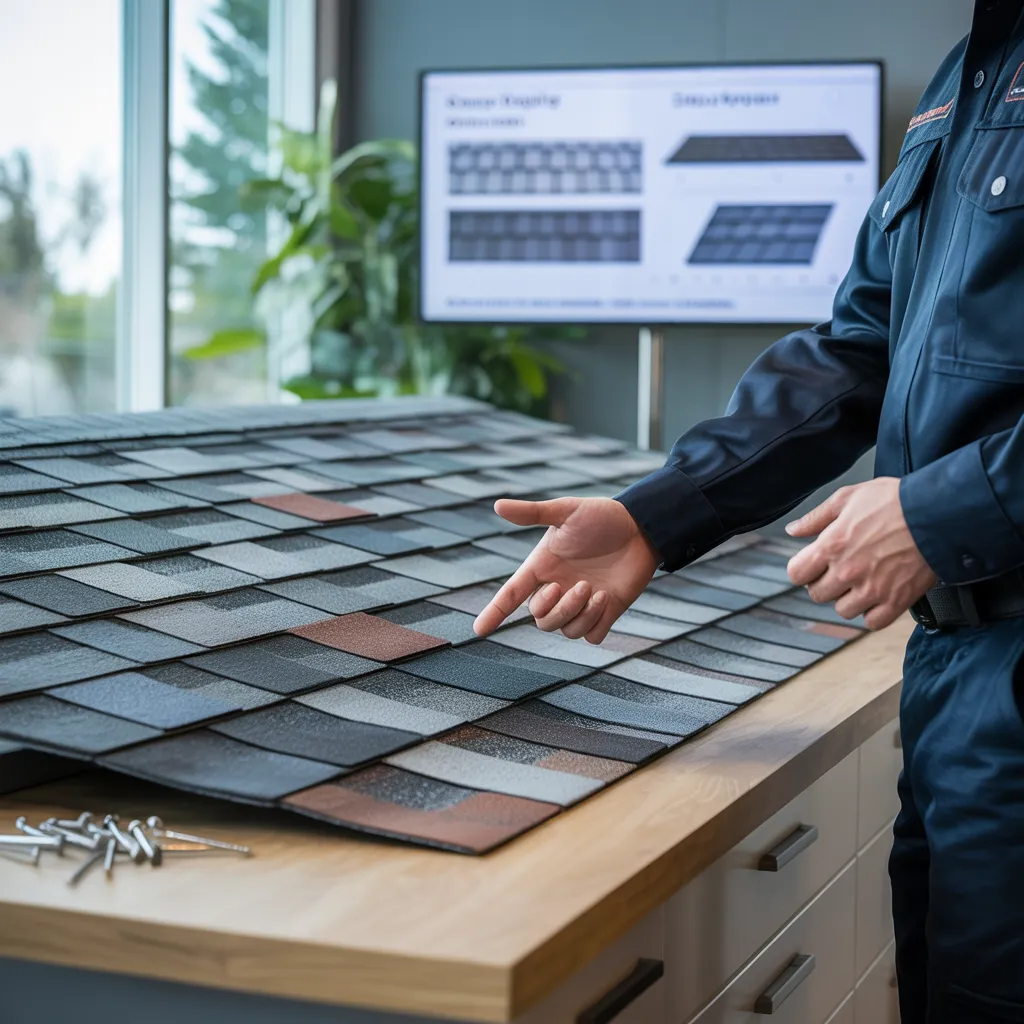
Homeowners should be vigilant for several key signs that indicate a roof may need repair. One primary indicator is missing or deteriorating shingles, which leave the underlying structure vulnerable to moisture intrusion. Furthermore, discoloration or dark spots on the roof often point to existing leaks or water-related damage. Homeowners are advised to examine the attic for moisture buildup, mold growth, or sagging areas, as these can indicate underlying structural issues. Granules accumulating in gutters often signals that shingles are breaking down, while visible daylight through roof boards can indicate considerable wear and damage. One more critical indicator is increased energy bills, which can stem from inadequate insulation or ventilation due to roof damage. Prompt attention to these signs helps avoid more severe damage and expensive repairs in the future. Routine inspections and upkeep are critical for maintaining the long-term performance and integrity of a residential roof.
Weather and Its Impact on Your Roof
Although a roof is built to endure different weather conditions, its effectiveness can be significantly affected by external elements. Snow, wind, extreme temperatures, and heavy rainfall can result in progressive damage over time. For instance, prolonged exposure to sunlight can make shingles brittle and prone to cracking, while too much moisture can result in the development of mold and rot.
Freezing temperatures can lead to ice dam formations, which obstruct adequate drainage and may cause water to back up under shingles. Additionally, powerful wind gusts can dislodge roofing materials, subjecting the underlying structure to greater damage. Consistent weather variations can weaken seals and flashing, increasing vulnerability to leaks.
Homeowners should remain vigilant, as weather-induced deterioration can weaken the roof's overall condition. Identifying these effects promptly allows for timely intervention, thereby extending the roof's durability and performance. Understanding the relationship between weather and roofing materials is critical for proper roof maintenance.
The Significance of Routine Roof Maintenance
Consistent roof maintenance is vital for ensuring the durability and performance of a roofing system, as overlooking this necessary maintenance can result in expensive repairs and early deterioration. Routine inspections can identify minor issues before they escalate into major problems, maintaining the roof's structural soundness. Furthermore, routine servicing helps to avoid leaks, which can cause extensive damage to the interior of a home and compromise its structural integrity.
A clean roof is essential to its longevity, because accumulated debris traps moisture, causing mold to develop and roofing materials to deteriorate. Moreover, maintenance can enhance energy efficiency by guaranteeing sufficient insulation and ventilation. Homeowners who prioritize regular roof upkeep not only increase the longevity of their roofs but also protect their investment, ultimately providing peace of mind. By coordinating routine inspections with a professional, homeowners can ensure their roofs stay in optimal condition, shielding their homes from harsh weather conditions.
Roof Inspection Safety Tips
Performing a roof inspection calls for careful attention to safety protocols to avoid accidents and injuries. As a first step, individuals should prepare themselves with adequate safety gear, including a robust helmet, skid-resistant shoes, and a harness. It is essential to evaluate the roof's condition before climbing; if it seems unstable or wet, rescheduling the inspection is recommended.
Employing a reliable ladder is critical; it should reach a minimum of three feet past the roofline to ensure safe entry. Inspectors should maintain three points of contact with the ladder at all times. While moving across the roof, people should steer clear of weak areas, such as sections affected by moss growth or sagging. Furthermore, the presence of a partner can improve overall safety, allowing for immediate assistance if needed. As a final precaution, understanding local guidelines related to roof access is recommended to maintain regulatory compliance and limit dangers during the inspection procedure.
Repair or Replacement: Essential Factors to Consider
Figuring out whether to repair or replace a roof is a critical decision that homeowners must face when indicators of damage appear. Important factors to evaluate include the degree of the damage, the roof's age, and the overall condition of the roofing materials. If the damage is confined to a specific area—such as a small number of missing shingles—repairing may be sufficient. However, if the roof is approaching the conclusion of its useful life or has broad-reaching damage, a full replacement could prove more economical over time.
Property owners should also assess the likelihood of ongoing problems and the cost implications of each alternative. A temporary repair may lead to more significant expenses if further deterioration occurs. Moreover, energy efficiency and aesthetic factors may impact the choice, as a new roof can enhance a home's value and curb appeal. In the end, a thorough evaluation of these factors will help property owners determine the optimal decision for their individual needs.
When Should You Call in the Roof Repair Experts?
When is it necessary for homeowners to seek the expertise of roof repair professionals? Property owners ought to reach out to professionals when they notice signs of visible damage, including absent shingles, water infiltration, or drooping sections of the roof. Furthermore, the presence of water stains on ceilings or walls signals possible roof problems that demand prompt action. Property owners must remain alert following intense weather conditions, since strong winds and torrential rain can worsen pre-existing weak points.
Another important indicator is the appearance of mold or algae growth, which can signal trapped moisture and necessitate expert assessment. If homeowners find themselves frequently repairing minor issues, it may suggest more serious underlying issues. Ultimately, age is a contributing factor; aging roofs approaching their expected lifespan often benefit from expert assessment. Tackling these issues in a timely manner can help avoid serious damage and costly repairs down the line.
Commonly Asked Questions
How Long Should I Expect My Roof to Last?
An average roof has a lifespan of 20 to 50 years, depending on materials and maintenance. Factors such as weather, installation quality, and regular inspections greatly influence its longevity and overall performance.
What Are the Best Materials for Roofing Repairs?
Metal, asphalt shingles, and rubber membranes are regarded as the top materials for roofing repairs. These materials provide long-lasting durability, weather resistance, and affordability, ensuring long-lasting protection and performance for various roofing needs.
How Much Do Roof Repairs Typically Cost?
Roof repairs typically cost between $300 and $1,500, based on the extent of the damage and materials used. Elements including the location, workforce expenses, and unique repair demands can significantly impact the overall cost.
Can I Repair My Roof Myself?
Absolutely, a homeowner can repair a roof independently, given that they have the necessary knowledge and instruments. However, proper safety measures and a thorough understanding of roofing materials are vital to achieve efficient and enduring repairs.
What Should I Do After a Storm?
After a storm , property owners should inspect their roofs for apparent damage , identify any interior leaks , photograph any concerns with photographs , and consider contacting a qualified expert for a thorough assessment and necessary repairs to ensure safety .